Data center testing using load modules
We verify the readiness of the data center’s engineering infrastructure to handle the actual test load before IT equipment is put into operation. The load scale is determined by the test program, the available rack U-space, and the facility’s power distribution scheme. This is relevant not only during commissioning, but also for regular testing of an operating data center as the load continues to grow.
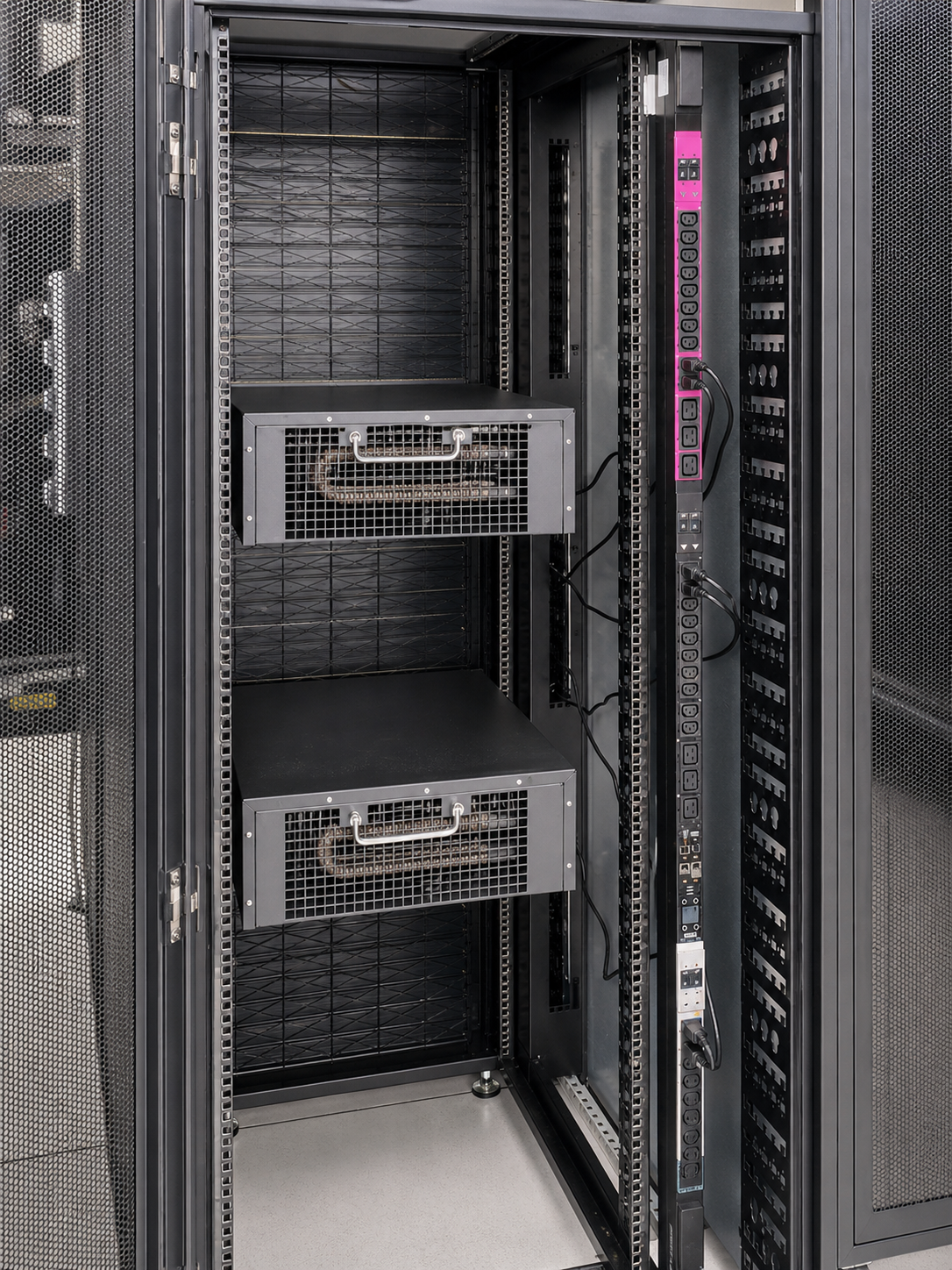
In one completed project for a new large-scale data center, the load was built up to 12 kW per cabinet. We use this experience as a practical foundation for new facilities while maintaining customer confidentiality.
⚠️ Why regular testing is especially important
If a data center is not currently operating above 80% load, the facility owner does not have a complete picture of how the power supply, power distribution, redundancy, and cooling systems will perform as IT load continues to grow. Regular testing with load modules helps identify bottlenecks in advance and prepare the engineering infrastructure for the next stage of utilization.
Estimated Cost Calculator
The calculator provides an estimated cost of data center testing based on the number of load modules and the service period. The base rate is 120,000 KZT per module and includes a period of up to 14 days.
The minimum calculation quantity is 6 modules. For values above the slider range, you can enter a number manually.
The cost for up to 14 days remains unchanged. An additional rate is charged for each module for every subsequent day.
Additional modules will be available once they arrive at the warehouse.
📍 Important: The cost includes delivery and support within Almaty only. For delivery outside Almaty, transportation expenses and employee travel costs are calculated separately.
Regarding racks: The estimate is based on a standard 42U server rack and a height of 4U per load module. Actual placement depends on the rack configuration, the availability of PDU space, cable management space, and reserved U space.
If you only need to rent load modules without full service support, contact us for a separate estimate.
What the service includes
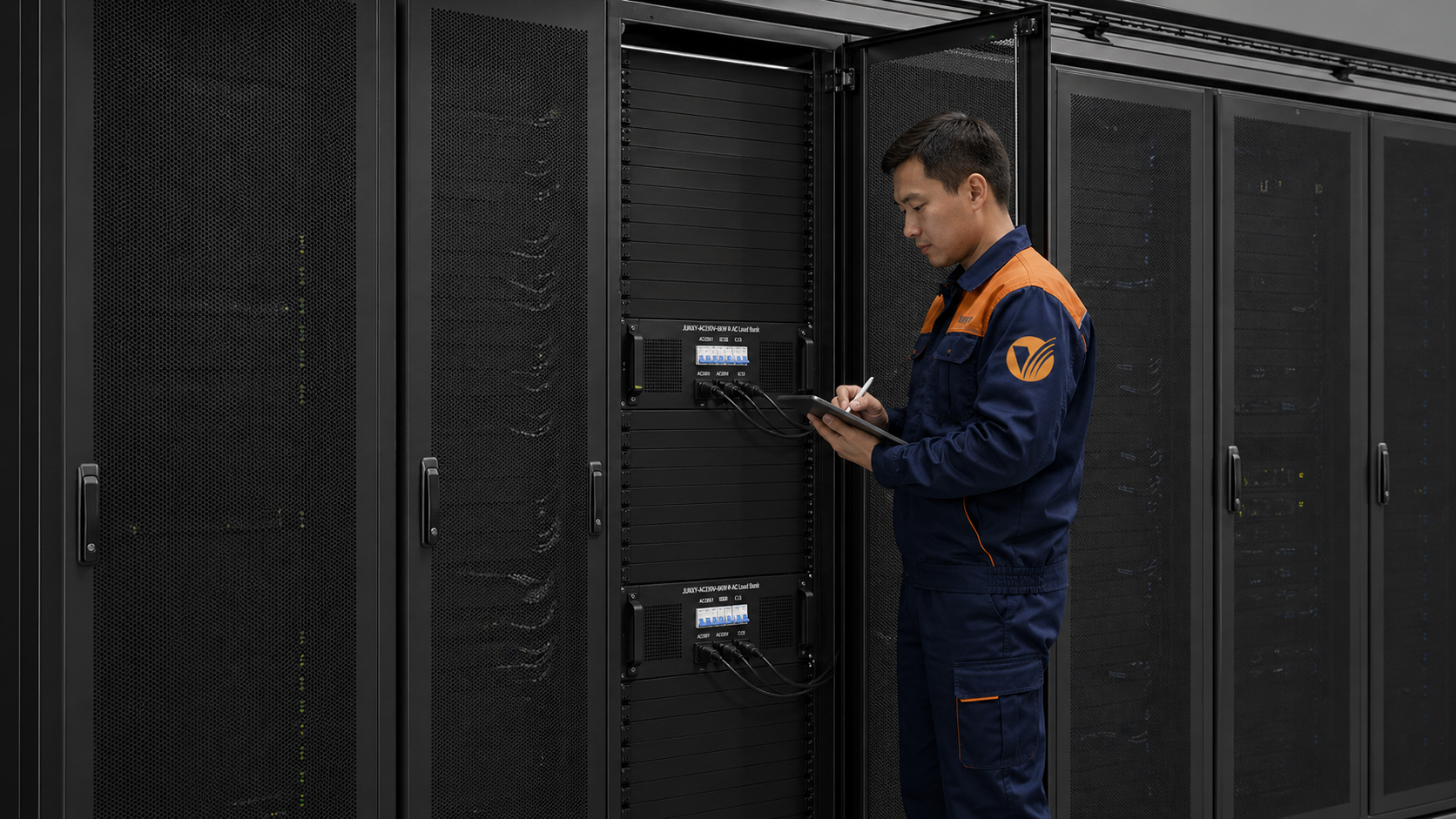
Vicom Plus provides turnkey data center testing with load modules. We handle not only equipment delivery to the site, but the entire on-site work cycle, allowing the customer's team to focus on the testing program itself and the analysis of results.
- We will deliver the load modules to the customer's site in any region of Kazakhstan.
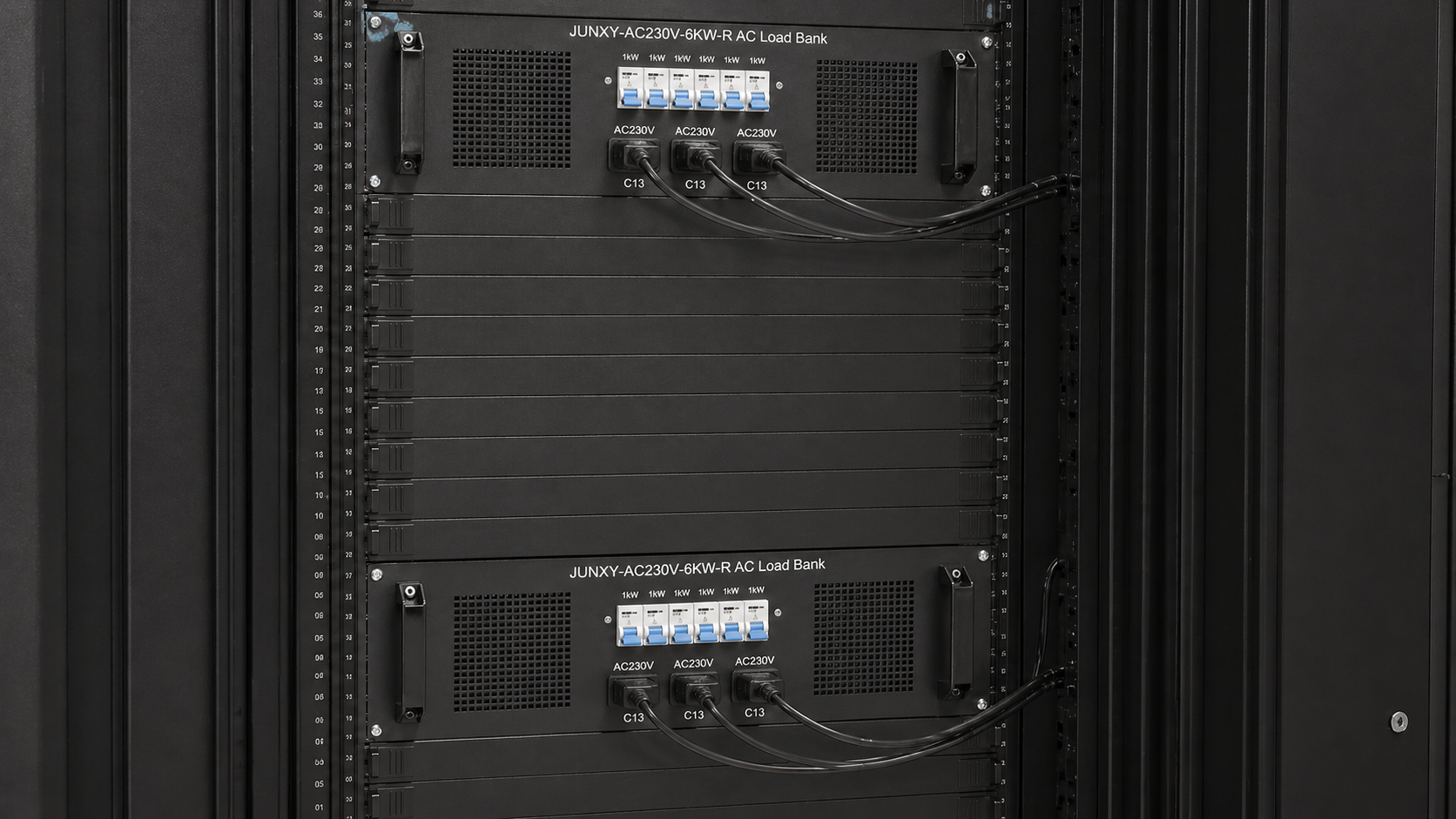
- We will install the modules in the server racks, taking into account the available space and testing layout.
- We will connect the equipment to the in-rack PDUs and verify that all connections are correct.
- We will run the load according to the approved program and support the testing for as long as required.
- After testing is complete, we will disconnect, deinstall, and remove the equipment from the site.
Technical specifications of the load modules
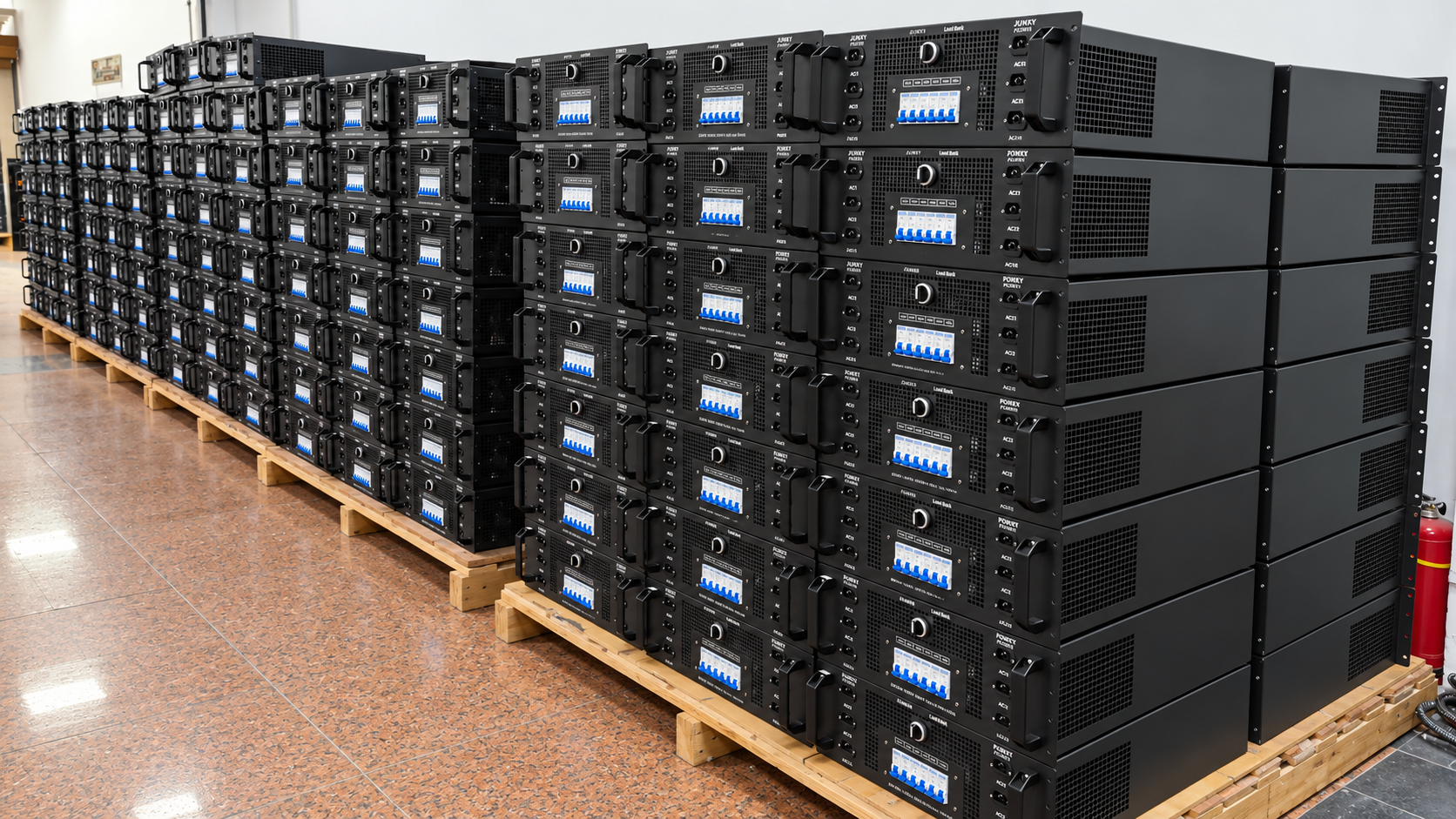
For testing, we use rack-mounted modules JUNXY-AC230V-6KW-R. They are installed directly in a standard 19-inch rack and simulate server loads as closely as possible to real operating conditions, including heat output and airflow.
| Model | JUNXY-AC230V-6KW-R |
|---|---|
| Module type | AC resistive load bank |
| Power per module | 6 kW at AC230V |
| Load step | 1 kW |
| Load steps | 6 steps of 1 kW, 3 independent channels AC1 / AC2 / AC3 |
| Voltage | AC230V, single-phase, 50/60 Hz |
| Power factor | PF = 1 |
| Form factor | 19", 4U rack, 600 mm deep |
| Connection | Three C13-C14 input cables |
| Cooling | Forced-air cooling; cool air intake at the front, hot air exhaust at the rear |
| Operating conditions | Indoor use, continuous operation, temperature from -10°C to +50°C |
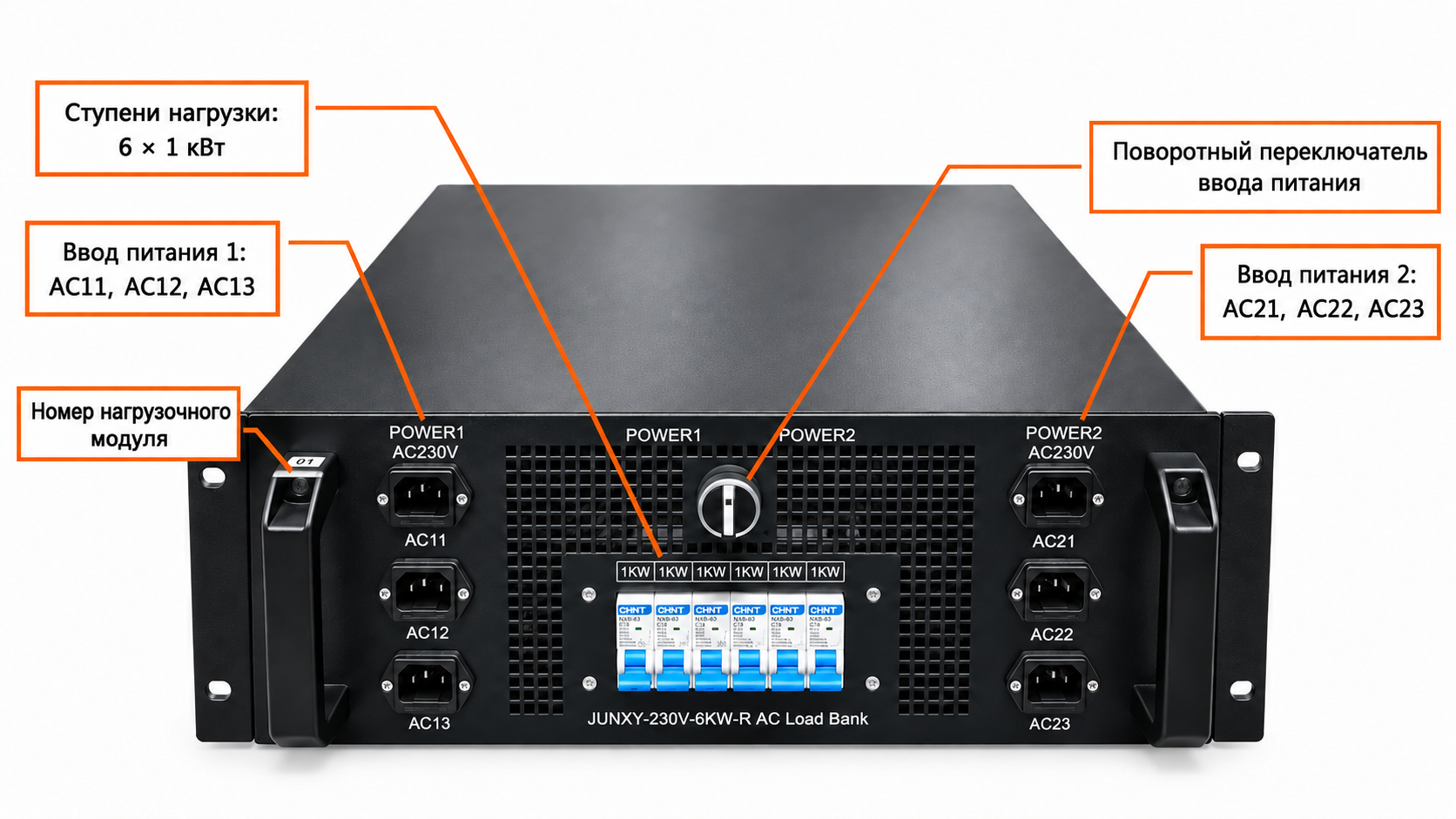
The illustration shows the 1 kW load increments, power inputs, and switch on the load module front panel.
Load modules make it possible to check not only power circuits, but also the performance of associated engineering infrastructure. During testing, you can evaluate PDU operation, load distribution across racks, the behavior of redundant circuits, UPSs, and adjacent systems, as well as monitor airflow, hot and cold aisles, and cooling efficiency.
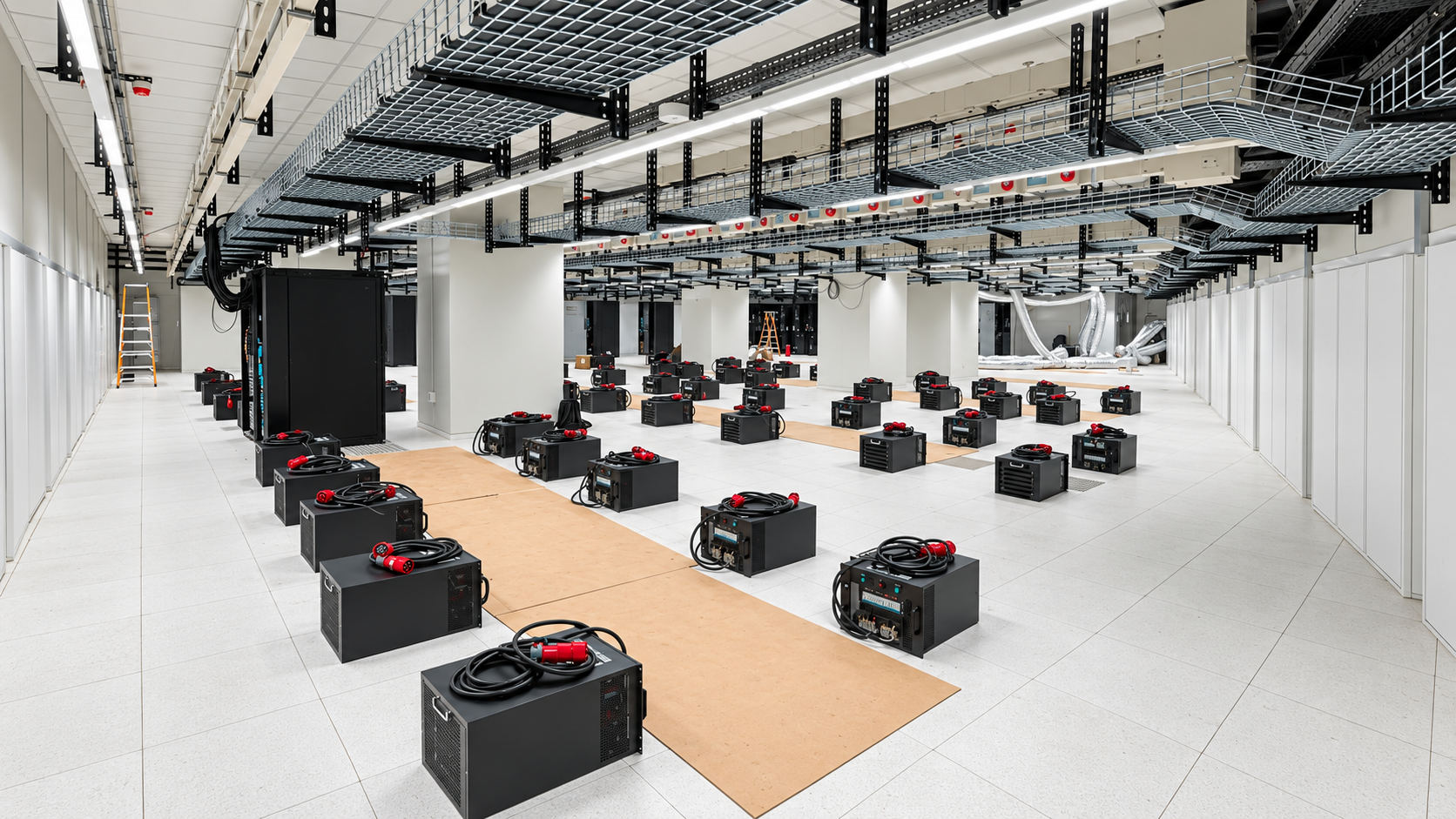
Testing begins once the readiness of the server cabinets, PDUs, and power supply system has been confirmed. The modules are then installed in the racks, connected, and commissioned in accordance with the approved program, with the load increased in stages. During testing, the operation of the power supply, power distribution, redundancy, cooling, and airflow is monitored, after which the equipment is dismantled and removed from the site.
In commissioning and integrated testing, contractors and consultants are typically expected to confirm that the power supply, load distribution, redundancy, and cooling systems operate correctly under a controlled test load. In practice, this means gradually increasing the load, monitoring operating conditions, and documenting the infrastructure’s behavior under conditions that closely replicate actual operation.
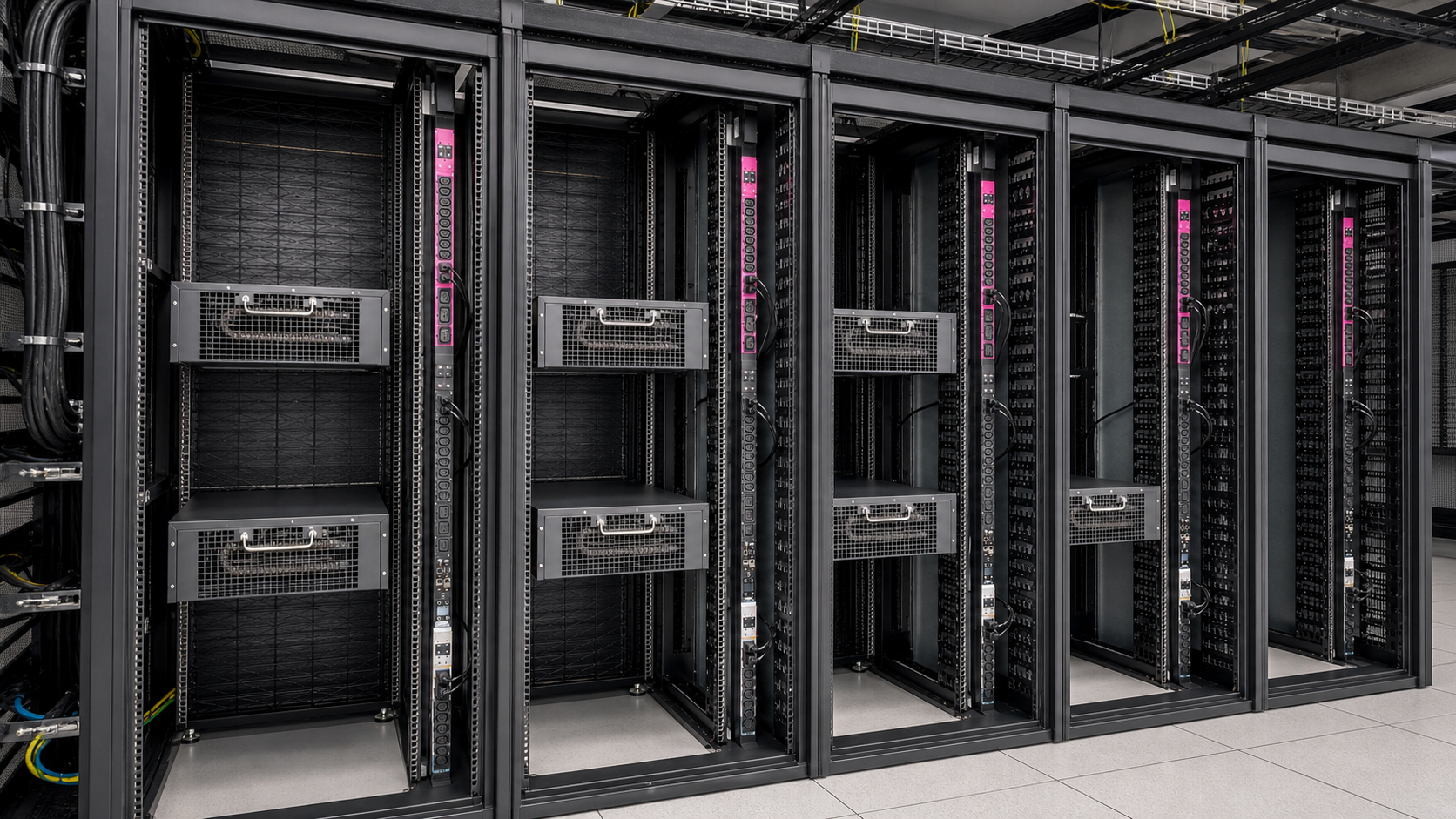
Installing the modules directly in the server rack helps simulate real server deployment conditions. The load is applied precisely where it will occur once the IT equipment is commissioned, making it possible to more accurately verify not only the electrical systems, but also airflow, cooling response, and local temperature conditions.
Learn More About the Methodology
Want to gain a deeper understanding of the approach to data center testing with load modules? We recommend reading our article: “Data Center Testing with Load Modules”. It explains the overall logic of IST, the use of staged loads, and the engineering aspects of bringing a facility into operation.
Load Module Photos
All photos below use identical cards so that the page looks clean and consistent on desktop and mobile devices.
Have questions? Contact us!
If you need to discuss the testing program, load scale, rack configuration, or work organization at the site, contact us—we will help you select the right data center testing scenario.
Go to the Contact Form