What Are Load Banks?
Load banks are devices that generate an electrical load, which is then connected to external power sources. Load banks are typically manufactured in a server form factor for installation in a standard 19-inch rack and are used to test AC systems, UPS systems, diesel generator sets, and batteries. They are considered the best way to commission and verify the operation of critical power and cooling systems.
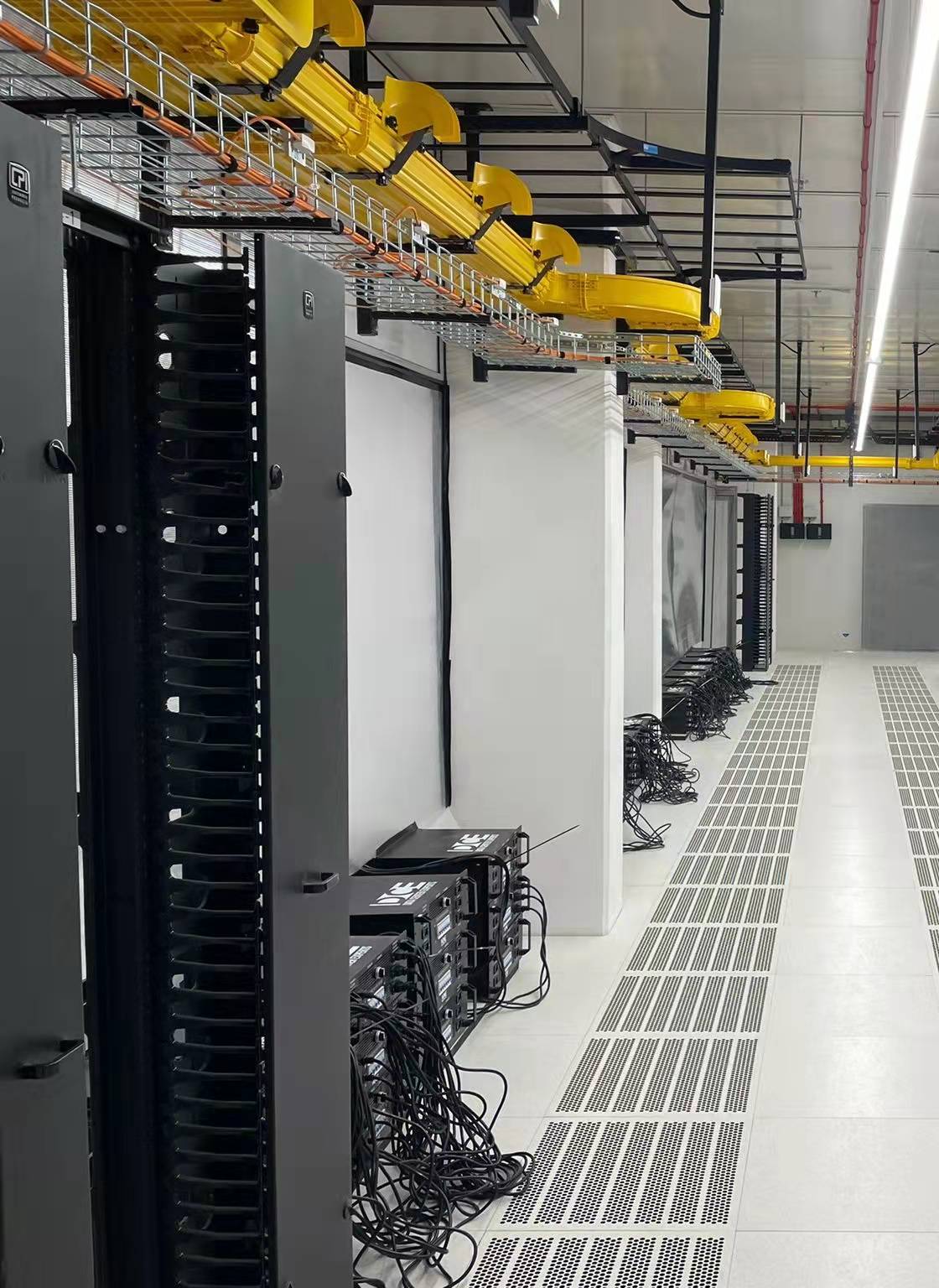
Testing all of a facility's critical power systems after completion of data center construction remains an important stage in commissioning the site. This process plays an important role in the project's commissioning and preventive maintenance schedule.
Traditionally, ordinary heat guns are used for testing procedures. However, they are much less effective because they do not provide dynamic power scaling, and heat guns cannot reproduce the airflow that will be generated by the servers installed in the future.
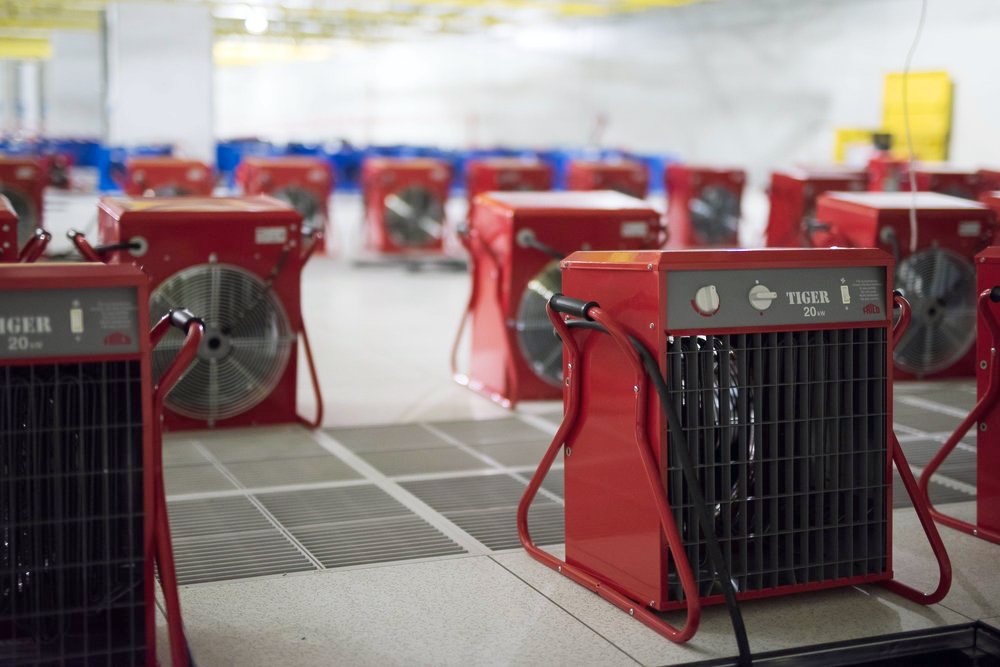
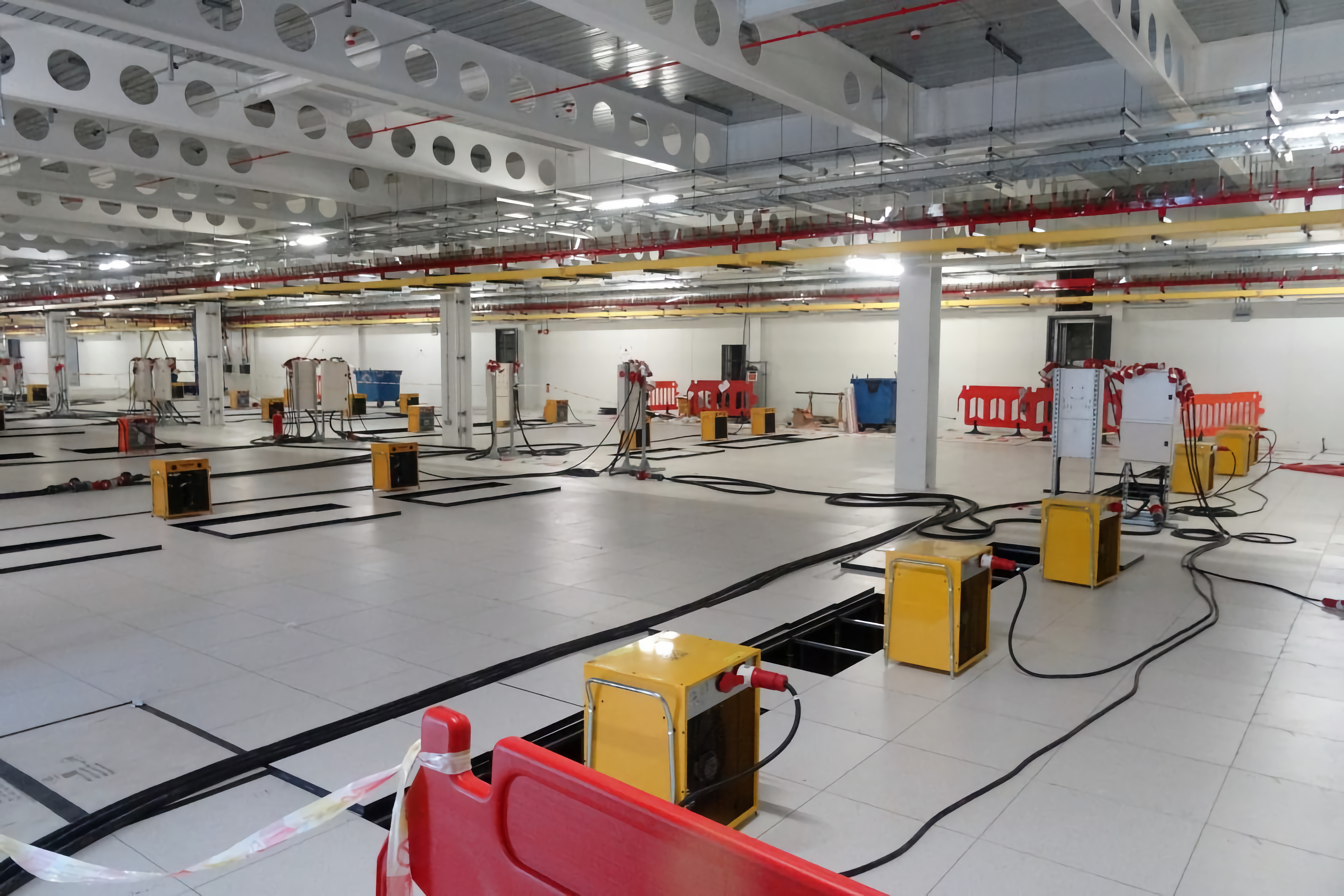
Before new owners take possession or new tenants move in, all facilities must undergo thorough inspections. These inspections ensure that all building systems (fire protection, security, environmental, and IT systems) are operational and comply with the required specifications.
Objectives and Frequency of Load Bank Use
Load banks can be used more than once to commission a data center. By conducting tests at regular intervals, you minimize the risk of unplanned downtime caused by equipment failure. A wide range of problems can be detected by placing equipment under maximum load.
Problems related to improper design, faulty construction, defective or damaged equipment may surface during commissioning or maintenance testing. Before full-load testing, critical issues may remain undetected.
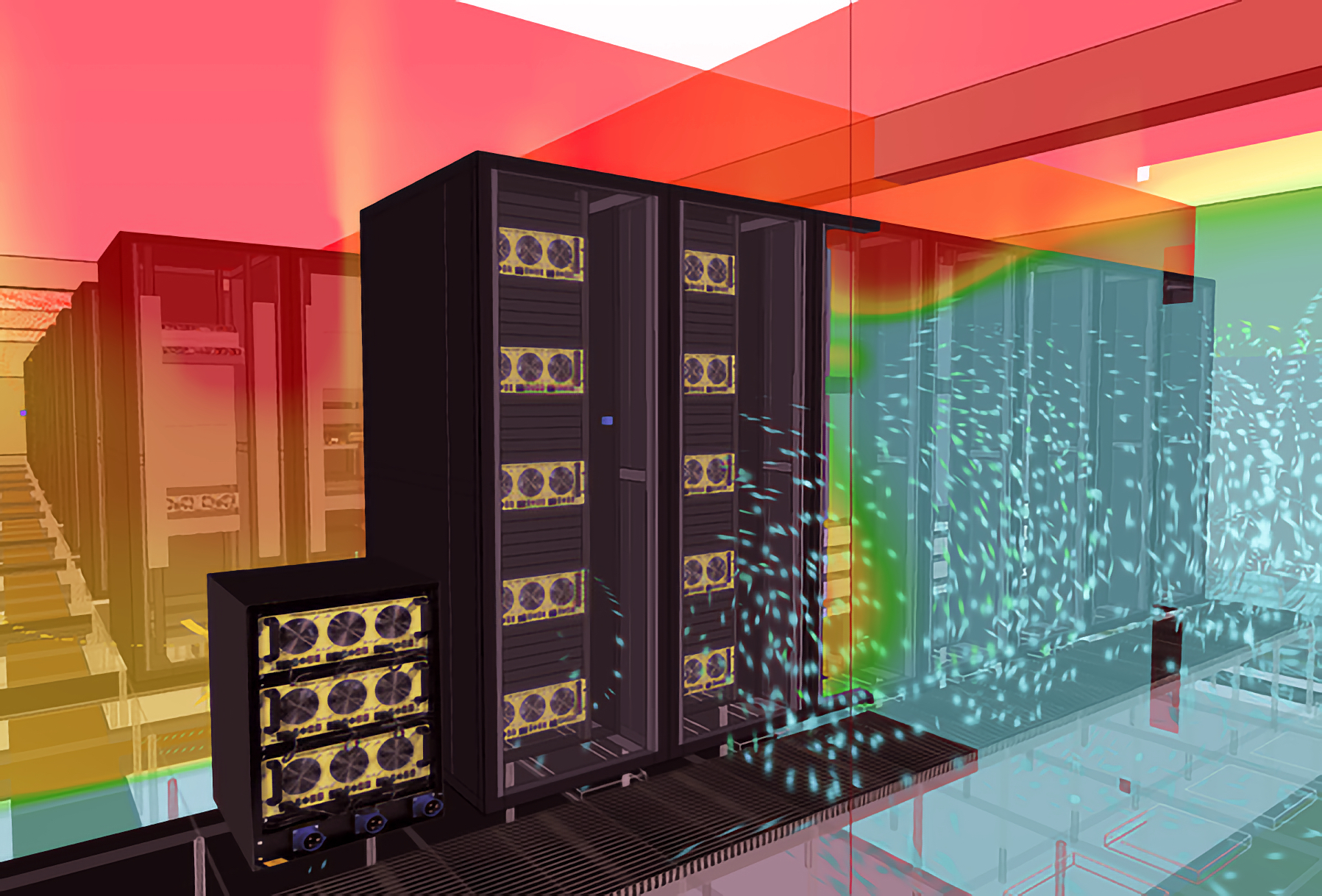
In what other cases are load banks used on a regular basis? For example, to test equipment after repairs. Before returning repaired equipment (generators or cooling systems) to service, it is advisable to subject the equipment to a critical load to ensure that the repairs have been properly completed.
Requirements of International Procedures
For example, independent integrated system testing (IST). Load banks are also used to test mission-critical systems during three of the five stages of the generally accepted process Commissioning.
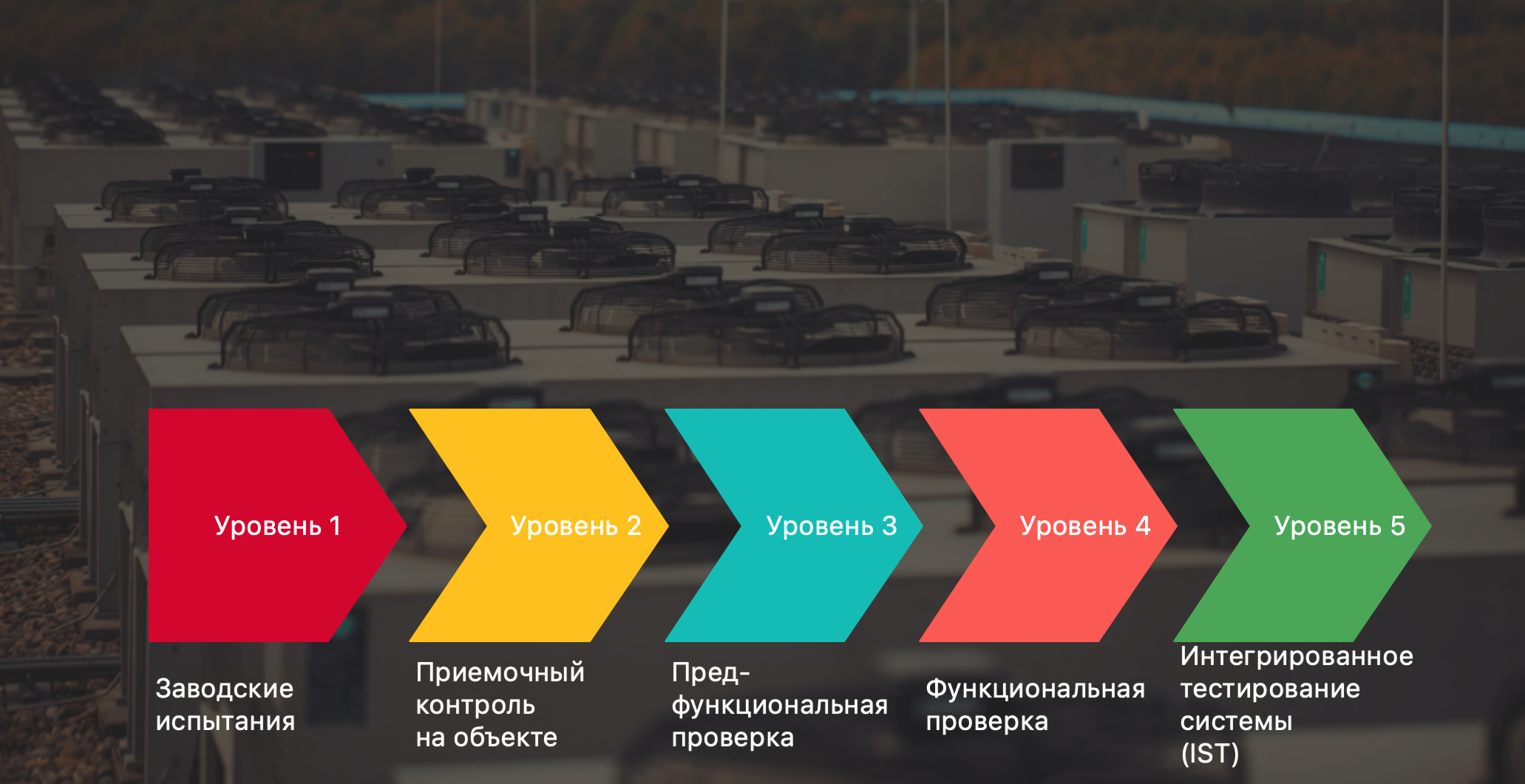
Commissioning the data center's engineering infrastructure should be performed while the data hall is operating under maximum thermal, electrical, and environmental conditions. In this case, data center testing is divided into four main stages:
Preliminary on-site testing;
Commissioning of information and communications systems (ICS);
Resilience certification (for more information, see the Uptime Institute description section);
Customer acceptance testing.
Successful completion of each of these four stages will determine the data center's future operation.
Uptime Institute requirements.
Facility certification testing is an independent service conducted by Uptime Institute, which issues an industry-recognized certificate defining the data center's rating category. The assessment demonstrates that the facility can operate fully while any component of its engineering infrastructure is undergoing maintenance (TIER III resilience level — Concurrently maintenable), without any downtime for the IT load. Certification requires the data hall to be fully loaded to its maximum design capacity using load banks — server-load simulators.
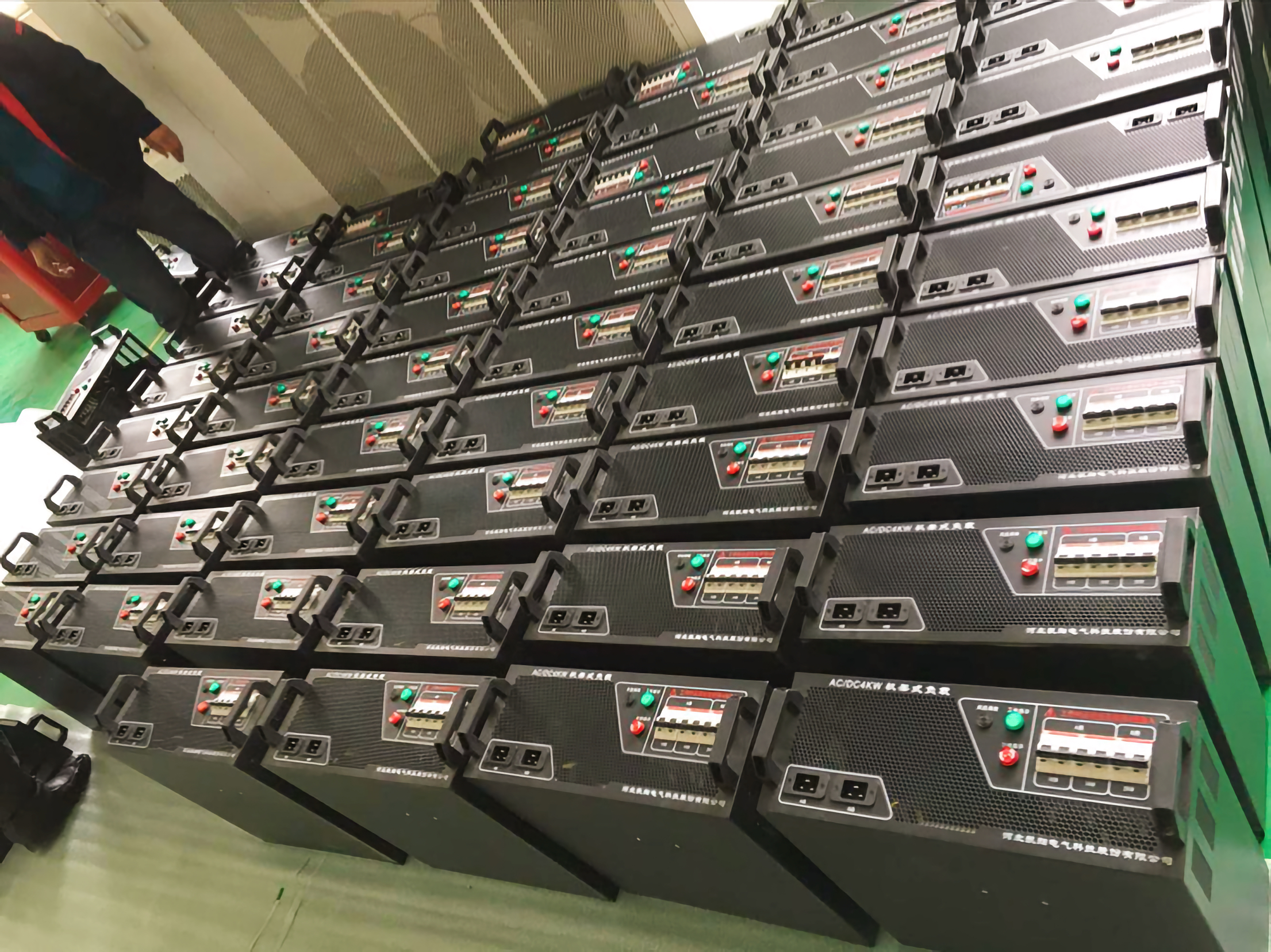
Several tips for conducting testing:
The testing process can take up to three weeks, depending on the testing schedule. Make sure you have an adequate budget for conducting the tests;
The operating ranges and placement of the load banks should reproduce the temperature range and, to ensure correct test parameters and efficient operation of the cooling equipment, reproduce the supply and return temperature differential of at least ∆T 15°;
Best practice: conduct testing under different load conditions. Test thresholds should be set at 25%, 50%, 75%, and 100% load. For this purpose, use load banks with dynamic loading that can be increased as the load grows;
The first several tests should run for at least 24 or 48 hours. This will make it possible to determine how the cooling or guaranteed power systems behave at different times of day. For example, the cooling system may operate differently at night than during the day. For these purposes, use only high-quality load banks that eliminate the risk of overheating the internal heating elements.