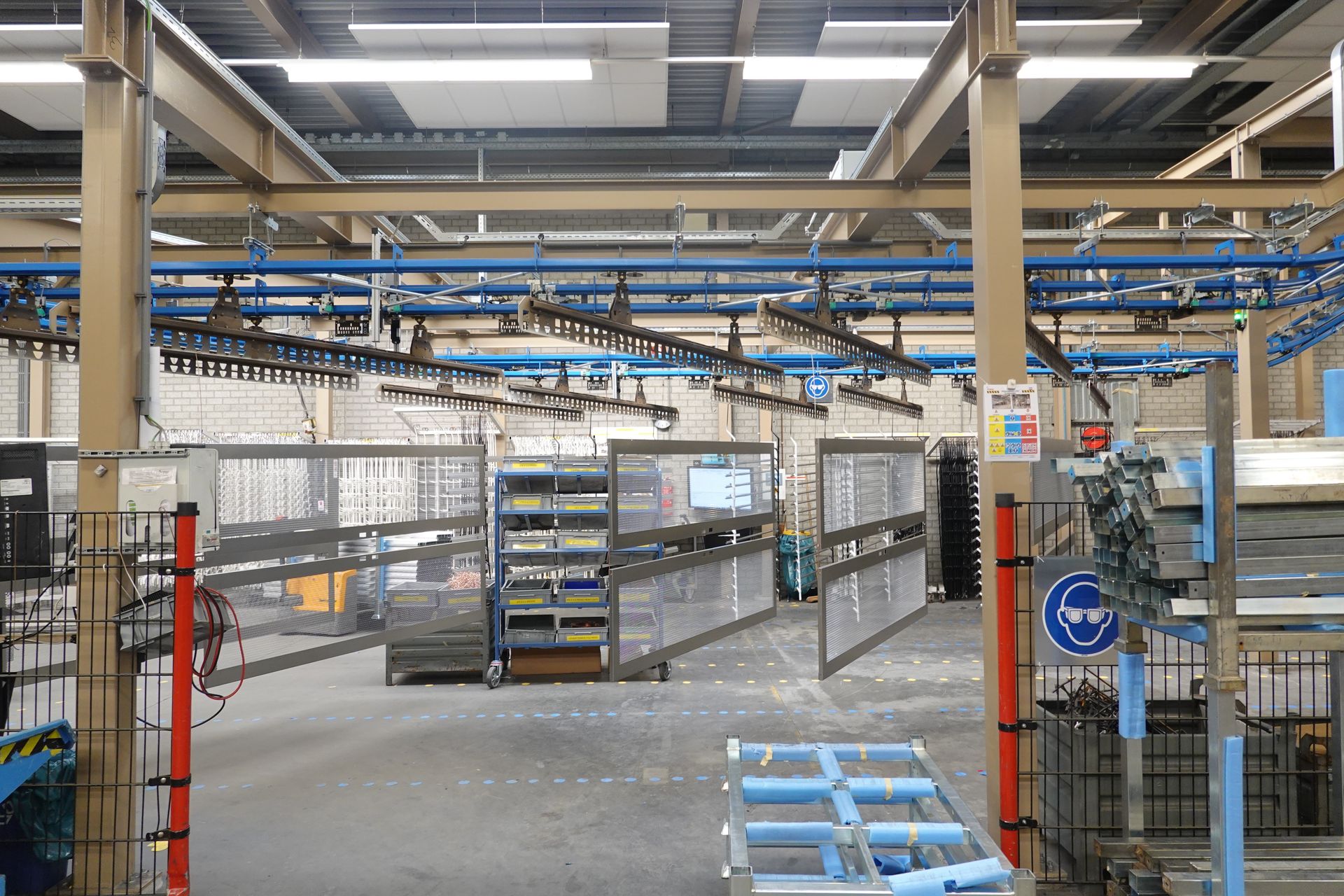
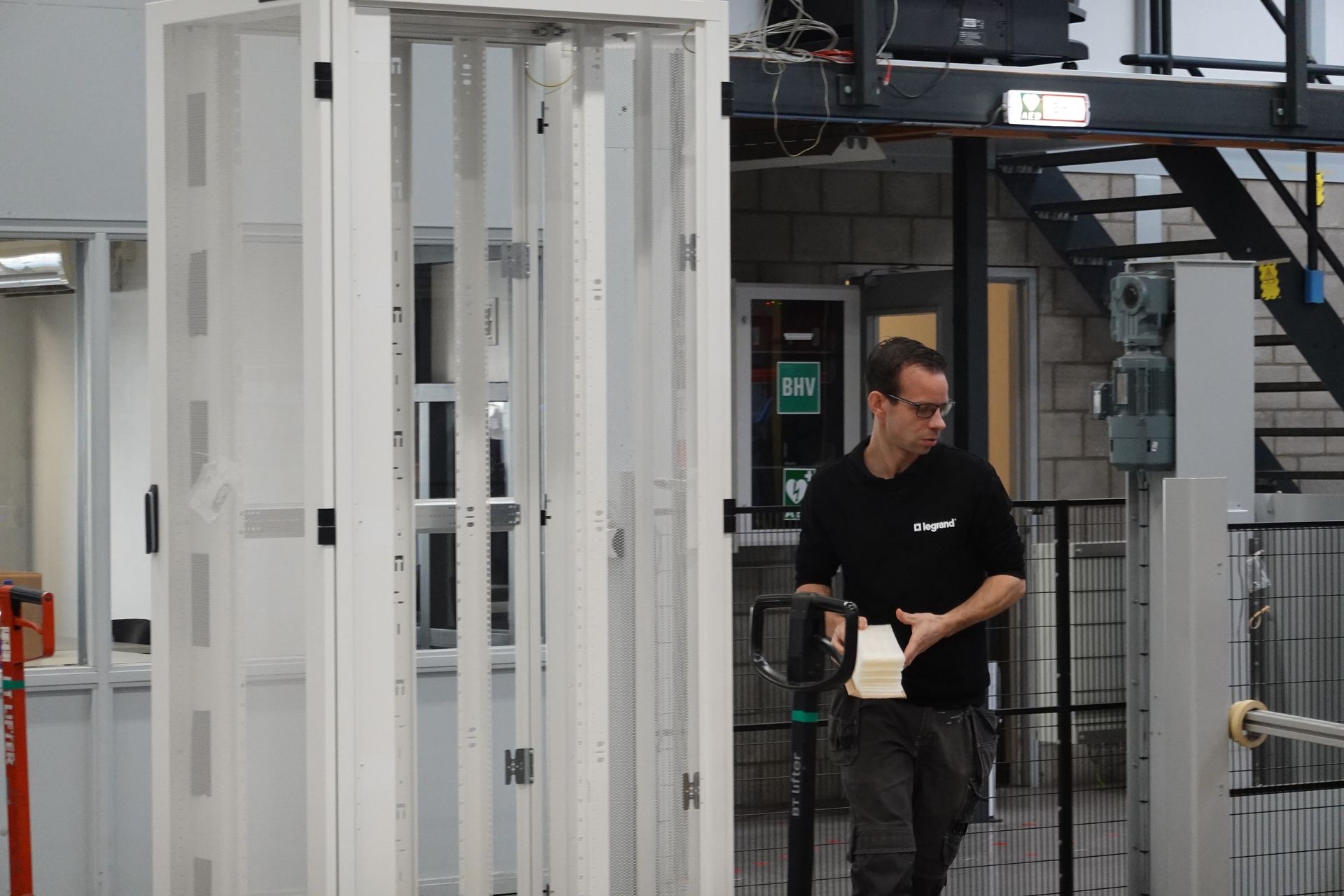
I have been installing equipment in server cabinets for ten years. During that time, I have assembled, arranged and interconnected more than a hundred cabinets from a wide range of manufacturers. It is not as easy or convenient as it may seem from the outside. In addition to encountering glaring errors, such as incorrectly sized cabinets, I can list a whole range of manufacturer shortcomings that hinder the normal operation of servers in racks.
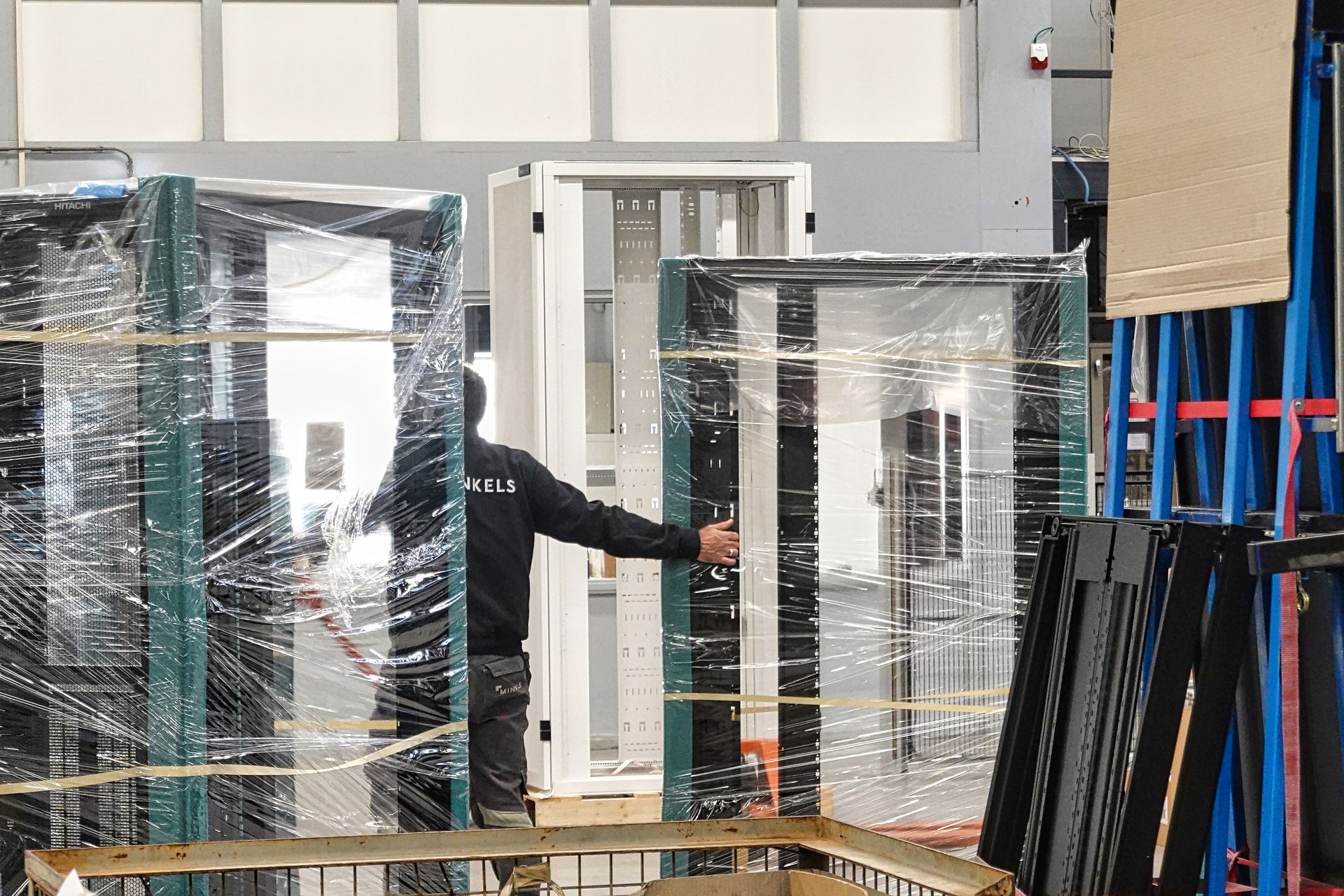
Of course, it is not really important which server cabinet the equipment is installed in. All manufacturers adhere to the basic installation standards. But as the saying goes, “God is in the details, and the devil is in the minutiae.” Details are often extremely important because they have a significant impact on operating efficiency and ease of use. Server cabinets are not the most high-tech product (although that is only true at first glance). Therefore, this product alone cannot give smaller manufacturers a significant competitive advantage over globally recognized manufacturers.
The Dutch company MINKELS (owned by LEGRAND) pays tremendous attention to small details. Once you experience the convenience these details provide, you can no longer ignore their absence in cabinets from other manufacturers.
Here are a few examples:
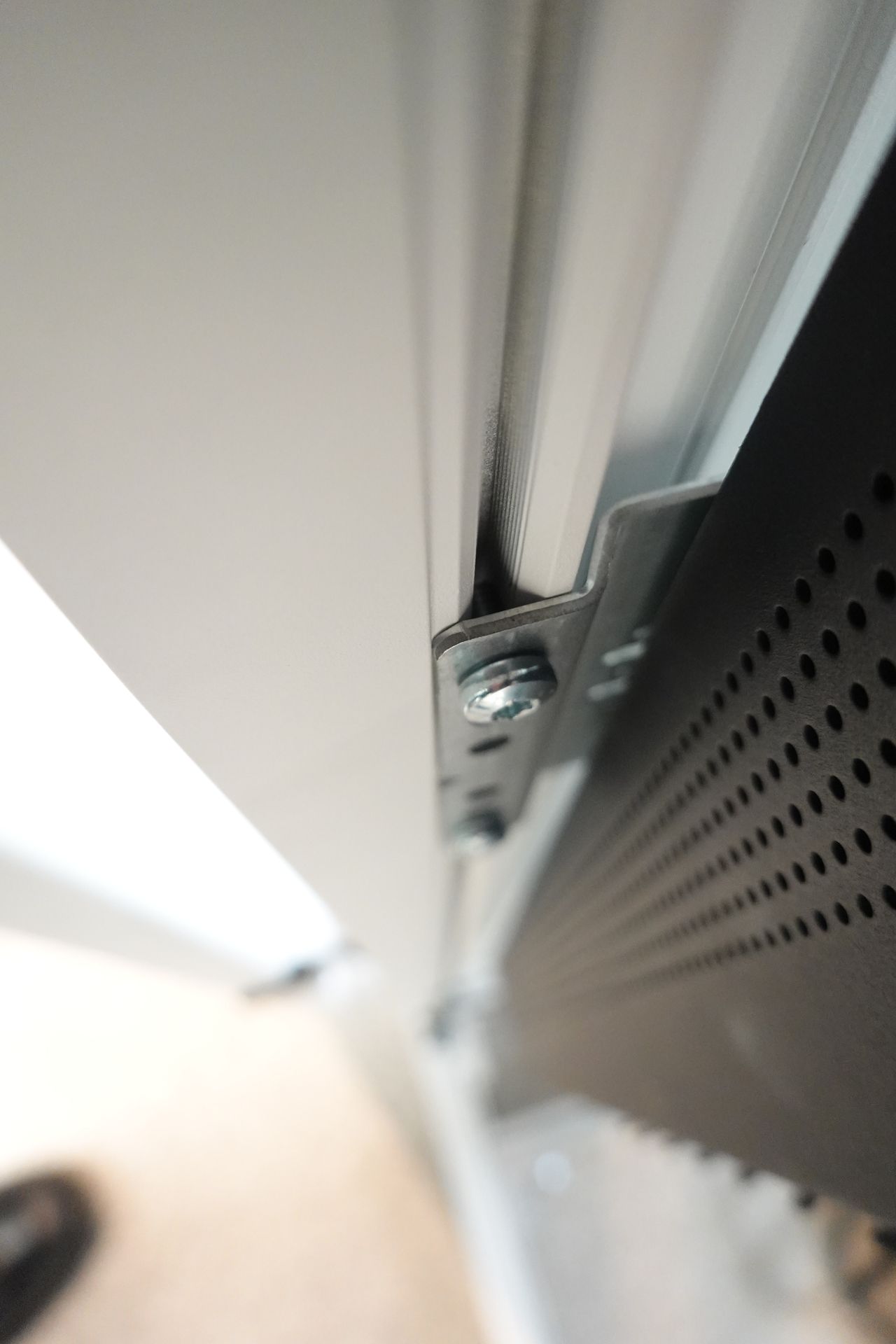
An aluminum profile, with all the resulting advantages. In addition to its incredibly low weight, aluminum makes it possible to manufacture components with such precision that an internal thread is cut along the entire length of the cabinet’s vertical profile. Mounting hardware can now be positioned anywhere along the profile (MINKELS calls this “Stepples adjustability,” meaning “stepless adjustment”), rather than only in specially designated areas. The thread is so precise that bolts can be screwed into the same location many times.
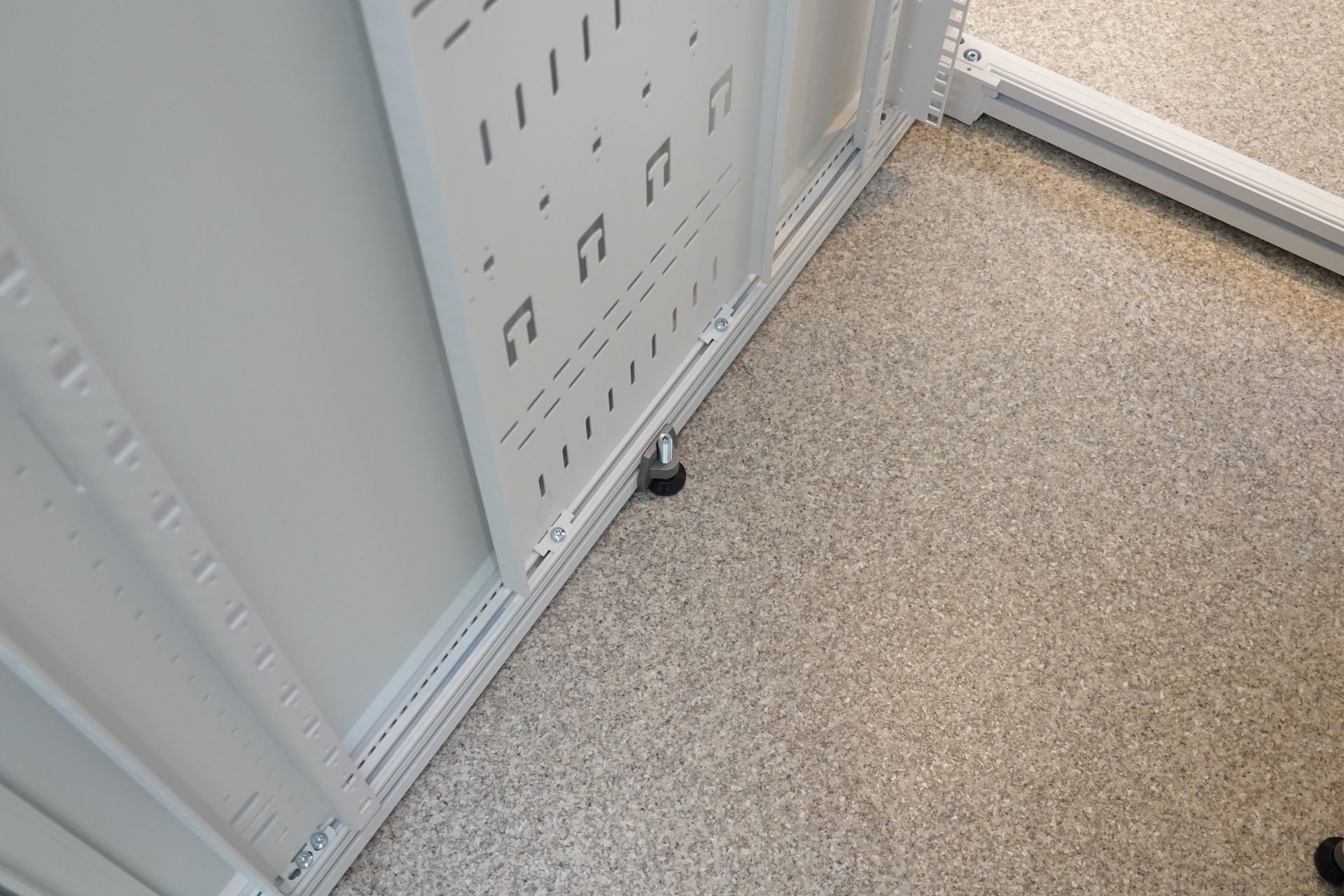
By adding extra supports positioned in the middle of the profile’s side ribs, MINKELS elegantly solved one of the main problems: the cabinet’s insufficient load capacity. The capacity is 1,500 kilograms, compared with 1,300 kilograms for other manufacturers.
Another advantage of the aluminum profile is the perfectly level base of the server cabinet. I have never understood why the casters on server cabinets are permanently attached! You roll the cabinet into the machine room, position it—and that is it; the casters are no longer needed. Nevertheless, most manufacturers proudly advertise the load that can be moved on massive, expensive casters. How many cabinets filled to the top with servers have you seen being moved around the entire machine room? I have seen none. In my opinion, a cabinet should stand on a level floor on its own base.
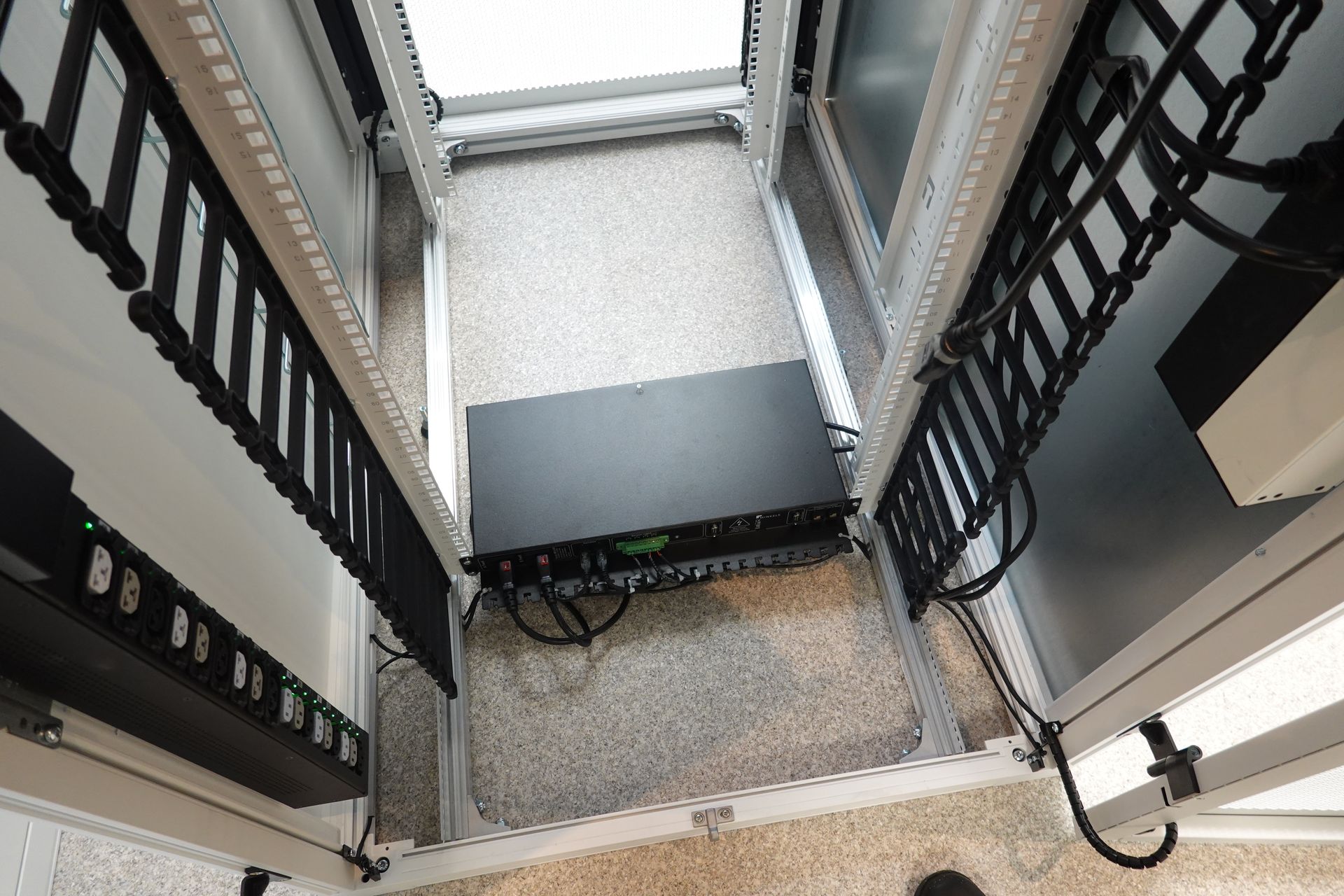
Hot and cold aisles in machine rooms often turn out to be “leaky aisles” in practice. No matter how tightly you try to fasten all the components together, gaps will remain through which precious cooled air will escape and mix with heated air. One might argue that the gaps and cracks are very narrow and do not affect the overall thermal balance. I can only suggest looking at the airflow figures for the power supplies in your valuable servers. These monsters move a tremendous amount of air through themselves.
Completely isolating a hot or cold aisle is the most effective solution. Why, then, do only a small number of data center operators use one-U blanking panels to close unused spaces in server cabinets? Many customers consider them useless because they do not believe in completely isolating the aisle. “If the manufacturer has not taken the trouble to provide complete isolation, it is only natural that operators also consider it a sham.”
This is where attention to detail is especially valuable. In addition to standard plastic blanking panels, MINKELS supplies a variety of seals for its equipment that make the cold aisle airtight and therefore more efficient.
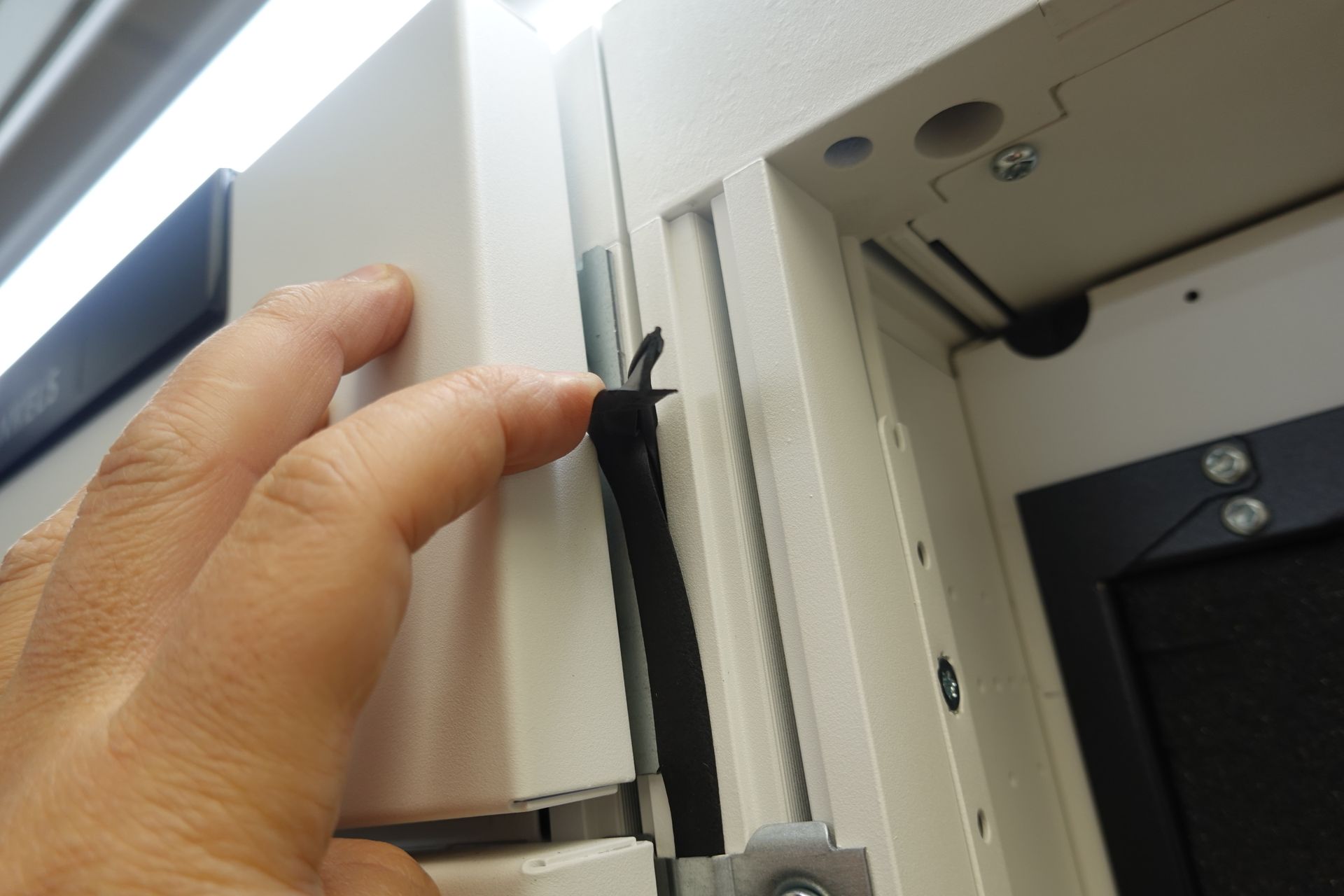
Have you ever seen door handles for server cabinets with three-digit combination dials, like those on suitcases? Like these:

Virtually all server cabinet manufacturers still favor this type of handle. To be honest, I do not understand the obsession with making them resemble suitcase locks: the numbers are recessed and unlit, the dials are small, and you always have to bend down to enter the correct code. Surely the dials could be replaced with user-friendly buttons! It seems MINKELS heard the complaints and released a proper door handle for its new line of Nexpand cabinets. Beautiful.
I would also like to point out that, whether you like it or not, a data center is no more immune to transformation and change than anything else in life. Physical infrastructure, software, and requirements change from moment to moment and day to day. Data centers must be designed with both the past and the future in mind.
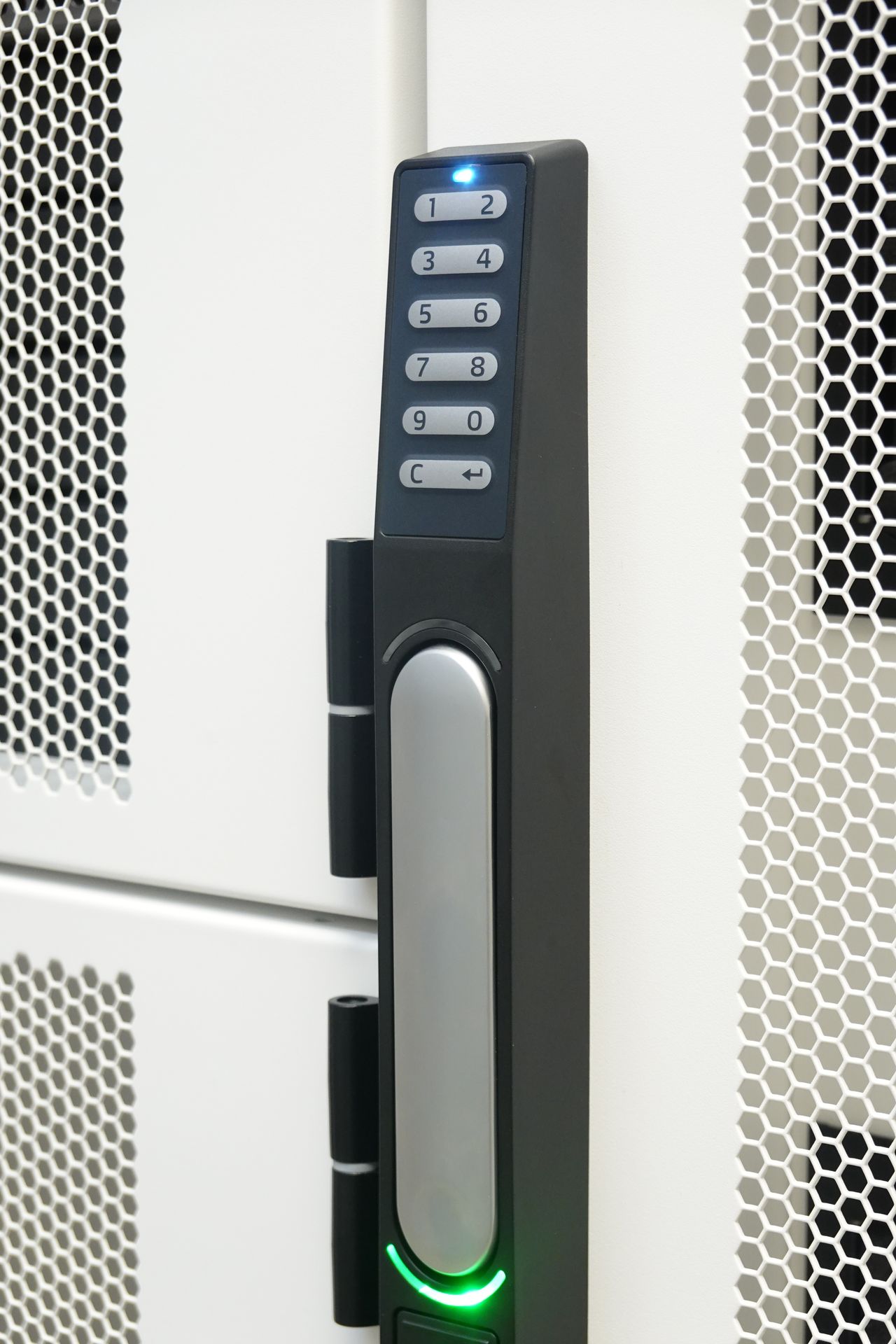
Here is a real-life example: The first client to rent a number of server cabinets in a commercial data center wanted the cabinets to be separated from one another by side panels. The data center owner purchased enclosed server cabinets for the client. Some time later, another client requested that the side panels between the cabinets in one row be removed. Each cabinet had to be pulled out of the row, and the side panels had to be removed from both sides.
MINKELS had anticipated this need from the outset and made the side panels retractable, allowing them to be easily removed to accommodate different requirements. Convenient!

A few more words about power distribution units—PDUs. They are also referred to as the “last leg,” which can be translated literally as the “last stage” or “last branch.” PDUs are usually installed using a support bracket attached to the rear right or left mounting rail of the server cabinet. Although it may seem like an insignificant detail, the PDU support bracket is an accessory that, if overlooked when ordering components, can bring the entire process of launching a new data center to a halt.
In the newer MINKELS cabinets, however, PDUs are attached directly to the cabinet rails using small mounting brackets supplied with the units—so no additional support brackets are required.
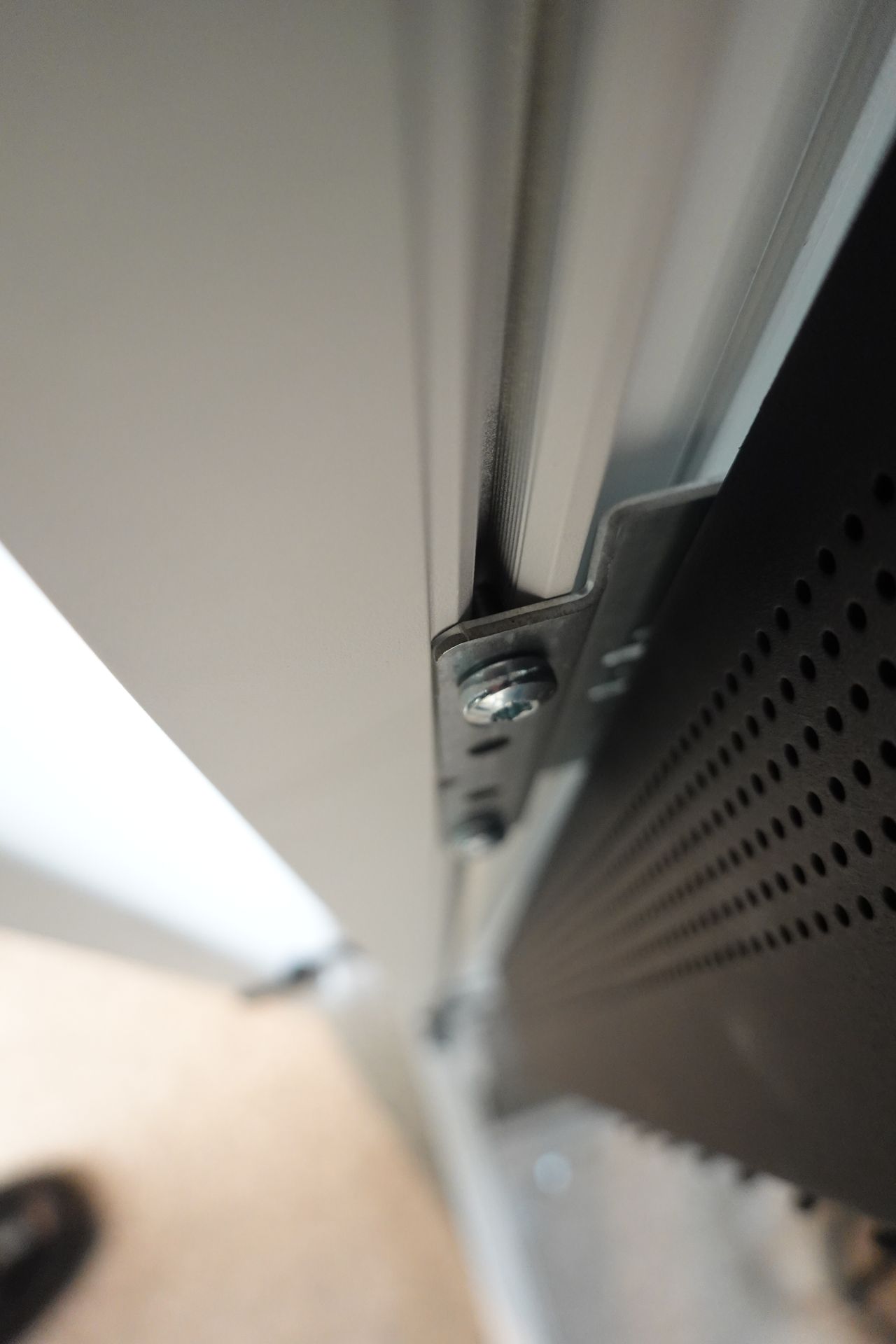
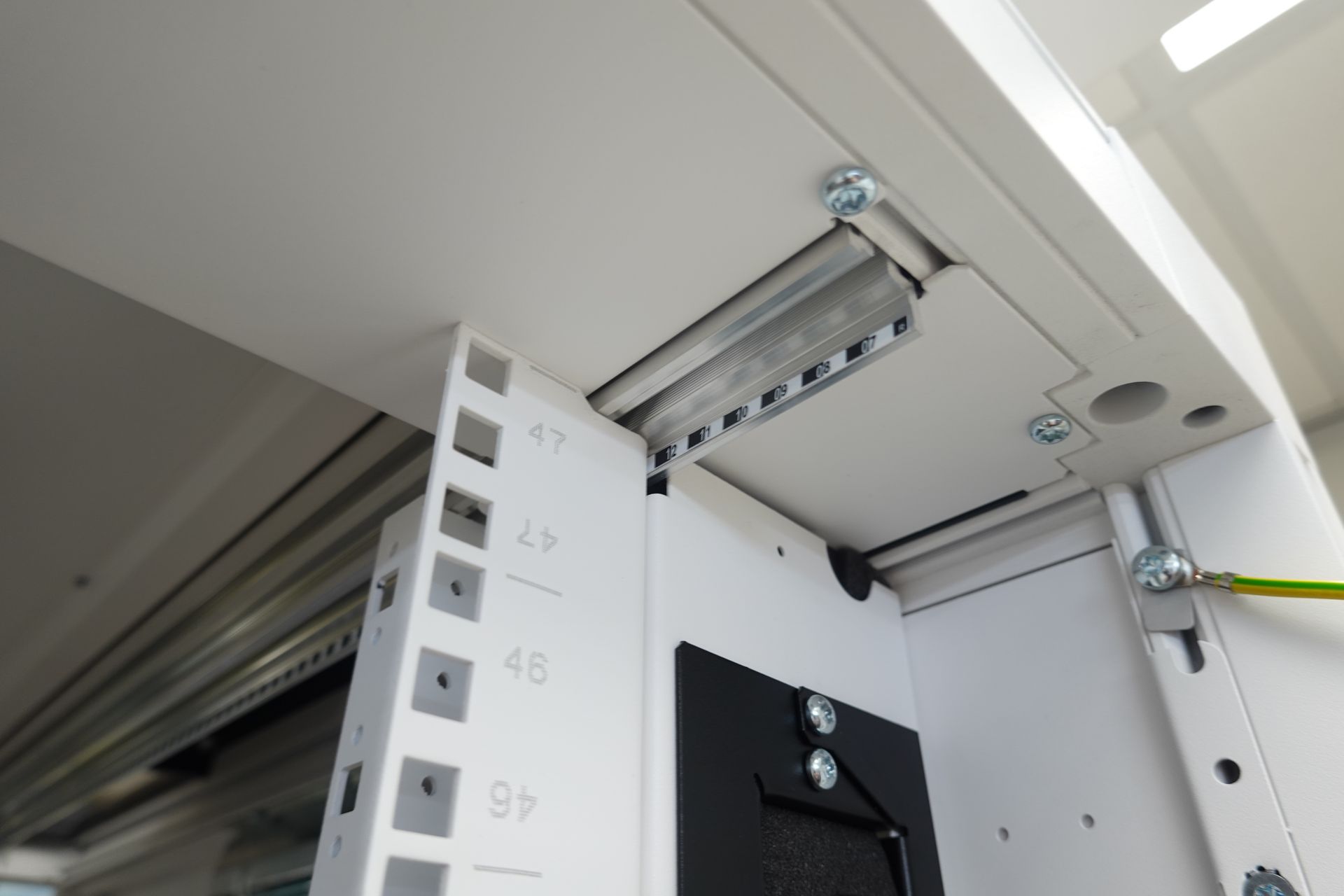
And the final detail that pleasantly surprised me in the new line of MINKELS Nexpand server cabinets is the labeling. The vertical labeling features dual numbering: from top to bottom and from bottom to top—for cases where the cabinet unit space is numbered from the bottom, as is done by some cloud providers. The horizontal mounting rails are also numbered, making it convenient to adjust the mounting depth. That is how it is.
Of course, I have not listed all the advantages of MINKELS server cabinets. More detailed information about all their benefits is available at www.minkels.com. The company produces up to twenty thousand different racks every year and continues to steadily grow its business. This meticulous attention to detail is the result of many years of hands-on experience—not only in manufacturing server cabinets, but also in close collaboration with customers, who provide the manufacturer with equally invaluable insights into ease of use.